



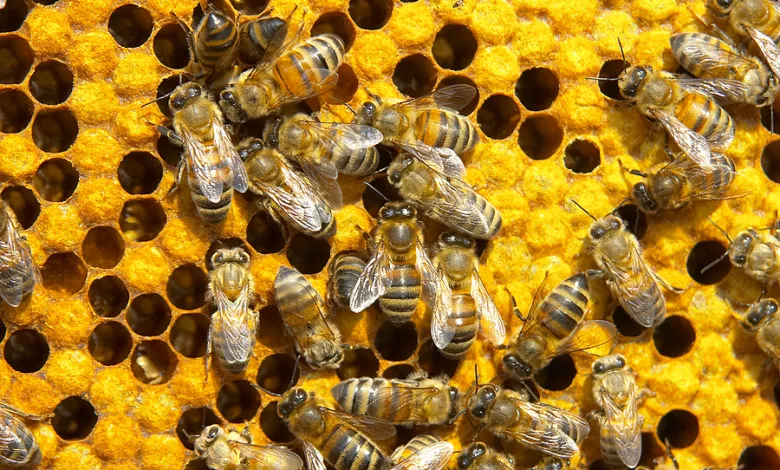
Flowers in gardens across Iowa are drying up and natural food sources are dwindling for pollinators, which means stinging insects are foraging for food in other areas, and any perceived act of aggression could lead to a painful encounter. Dr. Eric Schauberger, an allergy physician at Emplify Health by Gundersen, says they’re seeing more stings from bees, wasps, hornets and other flying insects as we get further into October.
As the insects’ regular food sources are disappearing, they may be buzzing closer to humans than we’d prefer.
People tend to lump all stinging insects into the bee category, but Schauberger says the majority of Iowans who get stung aren’t stung by bees, even though there are many different types of bees, including bumblebees, sweatbees and honeybees.
Being stung by a bee can be life-threatening, and Schauberger says what’s known as anaphylaxis is the most severe type of allergic reaction.
Only about 5% of Iowans have a serious bee sting allergy which might require them to carry an Epi-Pen in case they get stung.
Stay Connected with Mix 107.3 KIOW
Add Mix 107.3 KIOW as a preferred source on Google to see more local news, weather, and sports in your feed.
Follow us on Facebook for breaking news, severe weather alerts, sports, and more.